



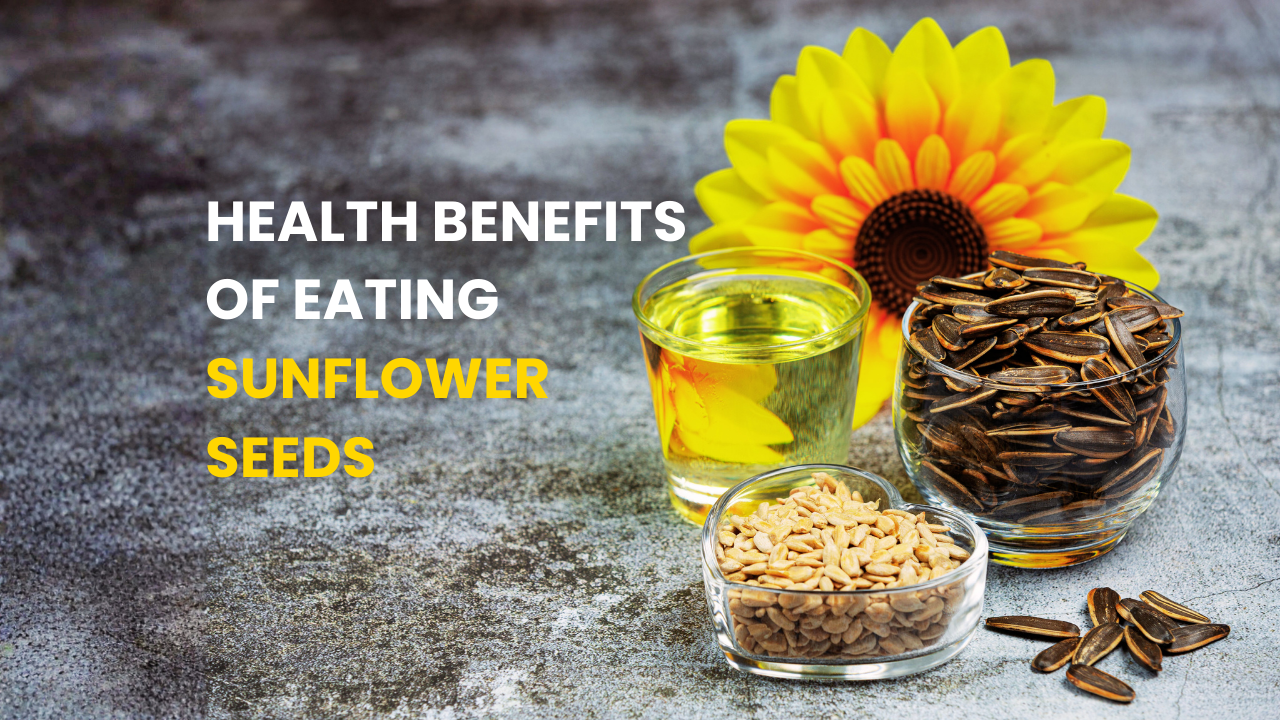
Have you ever wondered how a tiny seed can pack such a powerful punch of nutrition? At 360 Degree Foods, we believe that great health often starts with small choices — and sunflower seeds are a perfect example of that. These crunchy, golden seeds don’t just add flavor and texture to your snacks and salads; they offer an impressive range of health benefits that nourish your body inside and out. Let’s uncover the amazing benefits of eating sunflower seeds and why they deserve a permanent place in your pantry
1. Rich in Nutrients
Sunflower seeds are a nutrient-dense snack that provides an array of essential vitamins and minerals. They are a great source of:
- Vitamin E: Sunflower seeds are one of the best plant-based sources of vitamin E, a powerful antioxidant that protects cells from oxidative stress and promotes skin health.
- Magnesium: This mineral is crucial for muscle function, bone health, and maintaining a healthy heart.
- Selenium: Sunflower seeds contain selenium, a trace mineral that supports thyroid health, boosts the immune system, and acts as a potent antioxidant.
- B-Vitamins: B-vitamins like folate, niacin, and vitamin B6 present in sunflower seeds contribute to energy production, brain function, and red blood cell formation.
2. Supports Heart Health
Sunflower seeds are heart-friendly due to their high content of monounsaturated and polyunsaturated fats, including omega-6 fatty acids. These healthy fats help reduce bad cholesterol levels (LDL) and improve good cholesterol (HDL) levels, thereby promoting heart health. Regular consumption of sunflower seeds may help lower the risk of cardiovascular diseases by improving lipid profiles and reducing inflammation.
Additionally, sunflower seeds are rich in fiber and vitamin E, both of which contribute to lowering blood pressure and preventing the buildup of plaque in arteries, further promoting heart health.
3. Boosts Immune System
Sunflower seeds are an excellent source of selenium and zinc, both of which play a key role in supporting the immune system. Selenium helps regulate the immune response, while zinc supports the production of white blood cells, essential for fighting off infections. By adding sunflower seeds to your diet, you can enhance your body’s defense mechanism against common colds, flu, and other illnesses.
4. Improves Skin Health
Due to their high content of vitamin E, sunflower seeds help protect the skin from environmental damage caused by UV rays, pollution, and free radicals. Vitamin E has anti-inflammatory and moisturizing properties that help reduce the appearance of wrinkles, fine lines, and other signs of aging.
Moreover, the healthy fats in sunflower seeds nourish the skin, helping to maintain its elasticity and hydration. For those with dry or sensitive skin, sunflower seeds are a great addition to support skin hydration and overall health.
5. Promotes Digestive Health
Sunflower seeds are a good source of fiber, which is essential for maintaining a healthy digestive system. Fiber helps regulate bowel movements, prevent constipation, and supports the growth of healthy gut bacteria. A healthy gut contributes to improved nutrient absorption, better immunity, and even mental well-being.
By including sunflower seeds in your daily routine, you can ensure that your digestive system functions optimally and avoid digestive discomfort.
6. Supports Bone Health
Sunflower seeds contain essential minerals like magnesium, calcium, and phosphorus, which are crucial for maintaining strong bones. Magnesium, in particular, helps the body absorb calcium and is involved in bone mineralization, preventing conditions like osteoporosis.
By consuming sunflower seeds regularly, you can ensure that your bones stay strong and healthy, especially as you age.
7. Helps with Weight Management
Sunflower seeds are high in protein and healthy fats, both of which contribute to satiety and help control appetite. A handful of sunflower seeds can keep you full for longer periods, reducing the chances of overeating and promoting weight management. The fiber content also aids in digestion and supports a healthy metabolism.
Moreover, sunflower seeds contain tryptophan, an amino acid that aids in serotonin production. Serotonin helps regulate mood and can assist in managing stress, which can often lead to emotional eating.
8. Great for Hair Health
Sunflower seeds are a great source of vitamin E, which helps promote hair growth and prevent hair loss. The antioxidant properties of vitamin E also protect hair follicles from oxidative damage, improving the overall health of your hair.
The healthy fats in sunflower seeds also nourish the scalp, preventing dryness and dandruff, while maintaining the hair’s natural shine and strength.
9. Improves Mental Health
Sunflower seeds contain high levels of magnesium, which is known to have a calming effect on the body and mind. Magnesium helps regulate stress hormones and promotes relaxation. Consuming sunflower seeds can help reduce symptoms of anxiety, depression, and stress, improving overall mental well-being.
The B-vitamins in sunflower seeds, such as B6 and folate, also contribute to the production of neurotransmitters like serotonin and dopamine, which help regulate mood and promote feelings of happiness and well-being.
10. May Help Prevent Cancer
Sunflower seeds are rich in antioxidants, particularly vitamin E and selenium, which play a role in protecting cells from oxidative damage. This protection is important in preventing chronic diseases, including cancer. Some studies suggest that the antioxidants in sunflower seeds may reduce the risk of certain types of cancer by neutralizing free radicals and reducing inflammation.
Explore More Nutrient-Rich Options
If you’re ready to make healthy eating effortless, explore our Mix Seeds collection — a perfect blend of nature’s best seeds designed to fuel your day with flavor, crunch, and complete nutrition.
Conclusion
At 360 Degree Foods, we’re passionate about helping you make wholesome eating simple and delicious. Sunflower seeds are more than just a snack — they’re a small step toward a healthier, happier you. From supporting heart health to nourishing your skin and mind, the health benefits of sunflower seeds are truly remarkable.
Ready to take the first step toward better health? Contact us today to learn more about our nutritious seed range and how we can help you embrace a naturally balanced lifestyle.